


 Metropolitan France
 United Kingdom
 Deutschland
 Belgique
 Österreich
 España
 Italia
 Nederland
 Danmark
 Sverige
 Portugal
 Polska
 Luxembourg
 Other countries


Available colours:


Available colours:


Available colours:



Available colours:




Available colours:




20% off
On the entire city section* with the code CITY20*

Available colours:




Available colours:

Available colours:

Available colours:
Available colours:


FALL SALE: UP TO 50% OFF
On a wide selection of products*
Available colours:
Available colours:

Whether you're exploring mid-altitude trails, coastal paths or alpine routes, there is a pair of women's walking boots designed for your needs. Tailored to the female foot shape and selected by our mountain experts, these women's walking boots cover every activity, from gentle hikes to multi-day treks with bivouacs.
Key features of women's walking boots
Comfort and support for successful hikes
Our women's walking boots are designed for the typically narrower heel and slimmer instep of the female foot compared to men's models. They must provide excellent ankle and foot support on any terrain. The sole is crucial: it combines grip on wet ground, stability on rocky paths, and cushioning to ease joints on long descents. To assess support and choose the right size, keep these tips in mind:
- The heel should not move when walking, indicating a good fit
- Your toes should have about one centimetre of space at the front to allow for swelling during long efforts
- Generally, choose half to one size up from your usual city shoe size
- Try on your boots at the end of the day, when your feet are slightly larger
For further comparison, our top 10 walking boots selected by our experts will help you decide based on your foot shape and activity.
Waterproofing and breathability: Gore-Tex technology
Well-designed women's mountain boots are durable and waterproof. You can choose between synthetic or leather materials, offering warmth, improved waterproofing or increased abrasion resistance. For walking boots with a Gore-Tex membrane, these are ideal for wet or snowy conditions. The Gore-Tex membrane is a thin layer between the lining and outer fabric, with micropores that let sweat vapour escape while blocking water from outside. Combined with a nubuck leather or technical textile upper, it keeps your feet dry in summer showers at altitude or melting snow on winter trails. The Salomon X Ultra 5 GTX W is a great example: suitable for day hikes and multi-day treks, it offers lightness and protection in all conditions.
Choosing the right boot for your activity
Low, mid or high boots: each upper for its use
The height of the upper is often the first factor to consider, as it affects support, weight and suitable terrain. Low-cut models, light and similar to trail trainers, are ideal for easy paths and day hikes. Mid boots, covering the ankle, offer a balance between freedom of movement and support, suitable for most mid-mountain activities. High boots, more rigid, are essential when the terrain gets tougher or your backpack is heavy for multi-day treks.
Lightweight walking boots for easy terrain
The range of low-cut walking boots has expanded in recent years thanks to innovations from trail running. The fit is now closer to a trainer, with reduced weight and reinforced soles for mountain paths or approaching climbing routes without changing footwear. This category is perfect for marked mid-mountain trails, day hikes and even light approaches, as long as the terrain is easy and ankle support is not a priority. Some models are also available in waterproof versions for wet conditions. For maximum lightness and breathability, there are also women's walking sandals in various styles and colours! The Scarpa Mojito is the ideal low shoe for mountain walks or reaching your climbing spot. Use our filters to refine your search and find the model that suits your needs.
Robust models for rough terrain
When trails get steeper, rockier or your pack exceeds ten kilos, the requirements change. A high upper, or a supportive mid for intermediate profiles, becomes essential to lock the ankle and reduce twisting on technical sections. Key features to look for:
- A Vibram sole with deep lugs for grip on wet rock and scree
- A rubber toe bumper to protect toes from repeated impacts
- A rigid upper for stability with a loaded pack and to reduce muscle fatigue
- Precise lacing to the toe for adjusting tightness along the route
To compare with men's models, see our selection of men's walking boots.
Brands and style of women's walking boots
Each brand brings its own technical expertise:
- La Sportiva: renowned for precise fit at high altitude.
- Lowa: German brand known for long-lasting leather.
- Merrell: versatile and comfortable from the first wear.
- Meindl: MFS (Memory Foam System) technology that adapts to your foot, especially appreciated on the Island Lady GTX.
- Millet: historic Chamonix brand, the Wanaka GTX is an ultra-light fast hiking option.
- <adidas Terrex: designs blending running and hiking styles.
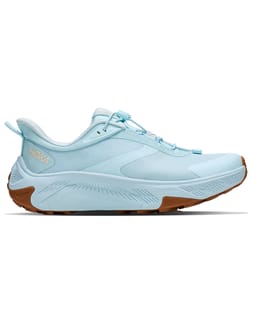
- Hoka One One: generous cushioning for hikers and trail runners alike.
- Scarpa: a reference for those combining hiking and scrambling.
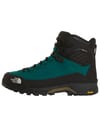
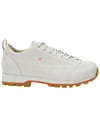
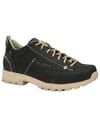
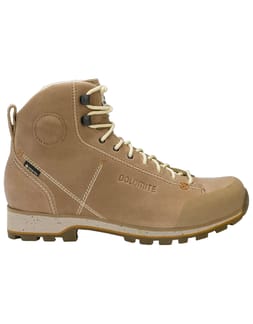
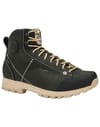
For a wider choice, you'll also find The North Face with the Verto Alpine GTX for demanding hikes, Dolomite with the 54 Low Evo range for technical lifestyle, as well as Columbia, Mammut and Salewa covering everything from light hiking to long-distance trekking.
In terms of style, women's fits are slimmer at the heel and instep, and colours go beyond black and grey to include more expressive tones, without sacrificing technical performance.
The key is to find the right model for your needs: explore our women's trekking boots for multi-day adventures, our women's approach shoes for reaching climbing routes, our women's mountaineering boots for high mountains, and our women's lifestyle models for everyday wear and travel.
Caring for and maintaining your walking boots
A well-maintained pair of walking boots will last for many seasons without losing performance, as long as you care for the material. Nubuck or full-grain leather needs regular reproofing with a specific leather product (wax or spray) rather than a universal waterproofing spray, which can clog the pores. Textile models should be treated with a DWR spray to maintain breathability. Store your boots in a dry, airy place away from direct sunlight, which can crack leather, and avoid direct heat sources (radiators, hairdryers) that weaken adhesives and deform the upper. After a muddy walk, a few simple steps will keep your gear in top condition:
- Remove dried mud with a soft brush, paying attention to the sole lugs
- Clean the upper with a damp sponge and mild soap, avoiding harsh detergents
- Rinse with clean water without fully submerging the boots
- Let them dry at room temperature, with insoles removed and boots open
- Reapply suitable waterproofing once the boots are completely dry
To complete your kit, consider walking socks, essential partners for your boots to prevent blisters and improve comfort on long hikes. Enjoy free delivery from CHF 199, a free gift from CHF 299, and free returns within 60 days so you can try your pair with peace of mind.
FAQ: choosing your women's walking boots
Should you choose women's or unisex walking boots?
Women's specific models are designed on lasts adapted to the female foot: narrower heel, slimmer instep, adjusted internal volume. Unisex or men's models may suit if you have a higher volume foot, but you risk heel lift and blisters on long distances. If in doubt, it's best to choose a women's model and test the fit.
Which women's walking boots are best for summer mountain hiking?
In summer, a mid boot with a Gore-Tex membrane offers the best balance: breathable enough for high temperatures, yet protective against sudden storms and lingering snow patches at altitude. Reinforced textile uppers, lighter than leather, dry quickly after stream crossings or showers, which is valuable for day hikes in changing weather.
What is the difference between women's walking boots and women's trail shoes?
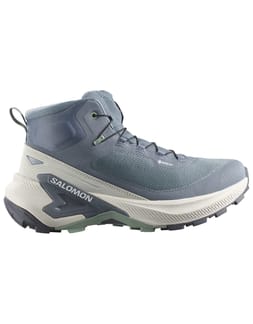
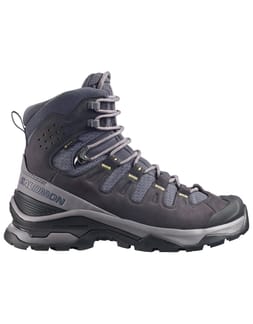
Trail shoes are designed for running in the mountains: very flexible, lightweight, with dynamic cushioning for a fast stride. Women's walking boots, on the other hand, prioritise stability, protection and durability, with a stiffer sole and better ankle support in mid and high models. Some hybrid models exist at the crossroads of both worlds, especially from Hoka One One or Salomon.
Can you use regular walking boots for light climbing?
Low-cut approach walking boots, like the Scarpa Mojito, are specifically designed to combine walking and light climbing. They have a grippy sole to the toe and a reinforced front for precise foot placement on small holds. For technical climbing, however, it's best to use proper climbing shoes.



Sign up for our newsletter
Be the first to hear about promotions, sales, special offers, snowleader events, and new brands added to our catalog!
By signing up for our newsletter, you agree to receive our personalized emails and to allow us to track whether you open them. You can change your consent at any time after you first receive a communication, or after creating your account, if applicable.


