


 Metropolitan France
 United Kingdom
 Deutschland
 Belgique
 Österreich
 España
 Italia
 Nederland
 Danmark
 Sverige
 Portugal
 Polska
 Luxembourg
 Other countries


Available colours:


Available colours:


Available colours:


20% off
On the entire city section* with the code CITY20*


Available colours:


Available colours:


Available colours:

Available colours:


FALL SALE: UP TO 50% OFF
On a wide selection of products*

Available colours:


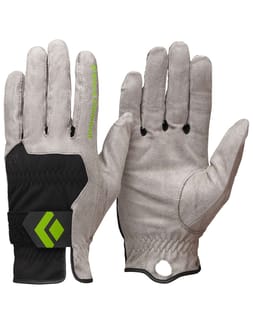
Climbing gloves are one of those pieces of equipment that are sometimes overlooked-until a rope burn or abrasion on the rock reminds you of their importance. Designed to protect your hands without sacrificing tactile sensitivity, they are ideal for both belaying at the crag and long days on via ferrata routes.
Why wear climbing gloves?
Essential protection for your hands
Every time a rope passes through a belay device, friction generates heat that can quickly become painful. Climbing gloves absorb these mechanical and thermal stresses thanks to reinforced palms, often made from goat leather or abrasion-resistant synthetic leather. Beyond comfort, it's a real safety issue: a climber with protected hands maintains a better grip on the rope and can react more calmly in the event of a fall to catch.
The different types of gloves available
Not all climbing gloves serve the same purpose. Your choice depends above all on your activity and the conditions you face.
- Full-finger gloves: covering the entire fingers, they offer maximum protection against rope friction. They are particularly suitable for belaying, abseiling, and multi-pitch climbing where rope handling is prolonged.
- Fingerless gloves: leaving the fingertips free, they maintain the sensitivity needed to handle carabiners, quickdraws, and knots with precision, while still protecting the palm.
- Insulated gloves for cold weather: featuring a thermal lining and sometimes a windproof membrane, these are designed for winter climbing or high-altitude mountaineering, where freezing temperatures put your hands to the test.
How to choose the right climbing gloves?
Key criteria to consider before buying
Poorly chosen climbing gloves can quickly become a hindrance: too large and they slip, reducing dexterity; too stiff and they tire your hand after a few pitches. Several criteria deserve your attention:
- Size: measure the circumference of your dominant hand at the knuckles and refer to the manufacturer's guide. If in doubt, the larger size generally offers better freedom of movement.
- Material: natural leather (goat, cowhide) combines durability and progressive suppleness. Synthetic leather dries faster and remains lighter, a real advantage on long outings.
- Grip: the texture and coating of the palm determine grip on the rope or cable. Look for anti-slip reinforcements, especially if you do via ferrata.
- Wrist closure: an adjustable Velcro strap prevents the glove from riding up during dynamic movements and ensures a secure fit.
Which glove for which discipline?
For multi-pitch routes where you alternate between belaying and abseiling, a full-finger glove in thick leather remains the safest choice. Via ferrata, with its metal cables and rungs, requires a model with reinforced palms to withstand prolonged abrasive contact. When conditions get tougher-wind-exposed faces, biting cold at altitude-gloves with a waterproof membrane and light insulation help you maintain finger mobility while keeping your hands warm. Some versatile models are also valuable for other outdoor activities such as mountaineering or technical hiking in challenging terrain. Discover our full range of climbing and mountaineering accessories to complete your kit.
Leading climbing glove brands
The Cordex from Petzl is a great example of what you should expect from a well-designed climbing glove: a durable leather palm, precise wrist adjustment, and a fingerless version for climbers who prioritise dexterity. Black Diamond offers a wide range, from lightweight belay gloves to insulated models for high mountains, with special attention to palm grip. Camp completes the selection with technical gloves suited to every vertical activity, from via ferrata to mountaineering. Ocun also offers several models appreciated for their fit and value, especially in fingerless formats.
Climbing gloves FAQ
How do you care for climbing gloves?
Natural leather gloves should be cleaned by hand with lukewarm water and mild soap, then left to air dry away from direct heat sources that could harden the material. Applying a nourishing balm once or twice per season helps maintain leather suppleness and significantly extends glove lifespan. For synthetic models, rinsing with clean water after each outing in dusty or damp environments is usually enough to maintain the coating's performance.
What size climbing gloves should I choose?
Measure the circumference of your hand at the knuckles, without tightening the tape, then compare this value with the manufacturer's size guide. Sizing varies between brands: a M from Petzl does not necessarily match a M from Black Diamond. If you are between two sizes, the larger size generally offers more comfort for handling ropes and equipment.
What materials are used for climbing gloves?
Manufacturers combine several materials depending on the glove area and intended use. Goat or cowhide leather is most common for palms, as it combines abrasion resistance and progressive suppleness with use. The back of the hand often uses synthetic fabrics-nylon, elastane-for breathability and freedom of movement. Some high-end models feature Kevlar reinforcements on the most stressed areas, while waterproof membranes may be included for outings in wet or very cold conditions.
Find our full selection of climbing gloves on Snowleader, with free delivery from CHF 199 and free returns within 60 days.



Sign up for our newsletter
Be the first to hear about promotions, sales, special offers, snowleader events, and new brands added to our catalog!
By signing up for our newsletter, you agree to receive our personalized emails and to allow us to track whether you open them. You can change your consent at any time after you first receive a communication, or after creating your account, if applicable.


