


 Menu
Menu


Esplar Logo Pure Natural
Leather shoes - Women -
Other colors available
20% OFF
*See conditions
Advice : Use the foot sizer from SIDAS to help you find the right size
 60 days to change your mind
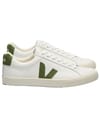
The Esplar Logo Pure Natural brand's Veja shoes are timeless women's shoes with a minimalist design.
Made from flexible leather sourced from farms in Uruguay—a country renowned for its livestock farming and the quality of its leather—these shoes feature insoles and outsoles made from recycled and plant-based materials . The leather is tanned in Brazil in accordance with industry standards, REACH and water is used sparingly throughout the tanning process. What’s more, the laces are made from organic cotton.
Fall in love with the timeless and unique style of Esplar Logo !

- Manufactured in Brazil
- 100% recycled and recyclable pouch
- Shoe box (FSC™-certified) and tissue paper, both 100% recyclable
Composition :
- Shank: 100% Leather
- Yokes/Inserts and V Logo: Leather, suede
- Lining : 100% recycled Polyester
- insole : 11% Amazonian Rubber, 42% sugar cane, 11% recycled EVA, 12% organic Cotton, 14% other materials
- Exterior flange : 40% Amazonian rubber, 12% recycled rubber, 23% silica, 11% Synthetic rubber, 16% other
- Laces : 100% organic cotton
| EVA (Ethylene Vinyl Acetate) | A sole EVA is a plastic sole, which can be lighter and more flexible than rubber. EVA stands for ethylene vinyl acetate acetate. It is an elastomeric polymer that produces "rubbery" materials, due to its suppleness and flexibility. This plastic is manufactured by combining ethylene and vinyl acetate to create properties similar to those of Rubber, which can be used in shoe soles. |
| Amazonian rubber | Each sole VEJA is made from 20 to 30 per cent Rubber sourced from the Amazon rainforest. The seringueiros (rubber tappers) are paid in accordance with fair trade principles. The use of this Amazonian rubber increases the economic value of the forest and protects it from deforestation. |
| Organic cotton | The canvas is made from 100% certified organic cotton. The cotton is grown in Brazil and Peru by cooperatives that respect both people and the environment, in accordance with fair trade principles. In Brazil, cotton is grown using organic and agroecological methods, an approach to farming that enriches the soil after harvest by making the most of the complementary nature of the crops grown and promoting water retention in the soil. In Peru, organic cotton farmers receive assistance with the certification process and benefit from technical and financial support to improve their production. |


Our Bloch' letter


